The entry point you trust most may be your biggest vulnerability
Most homeowners think break-ins happen through windows or back doors. That belief is wrong more often than people realize.
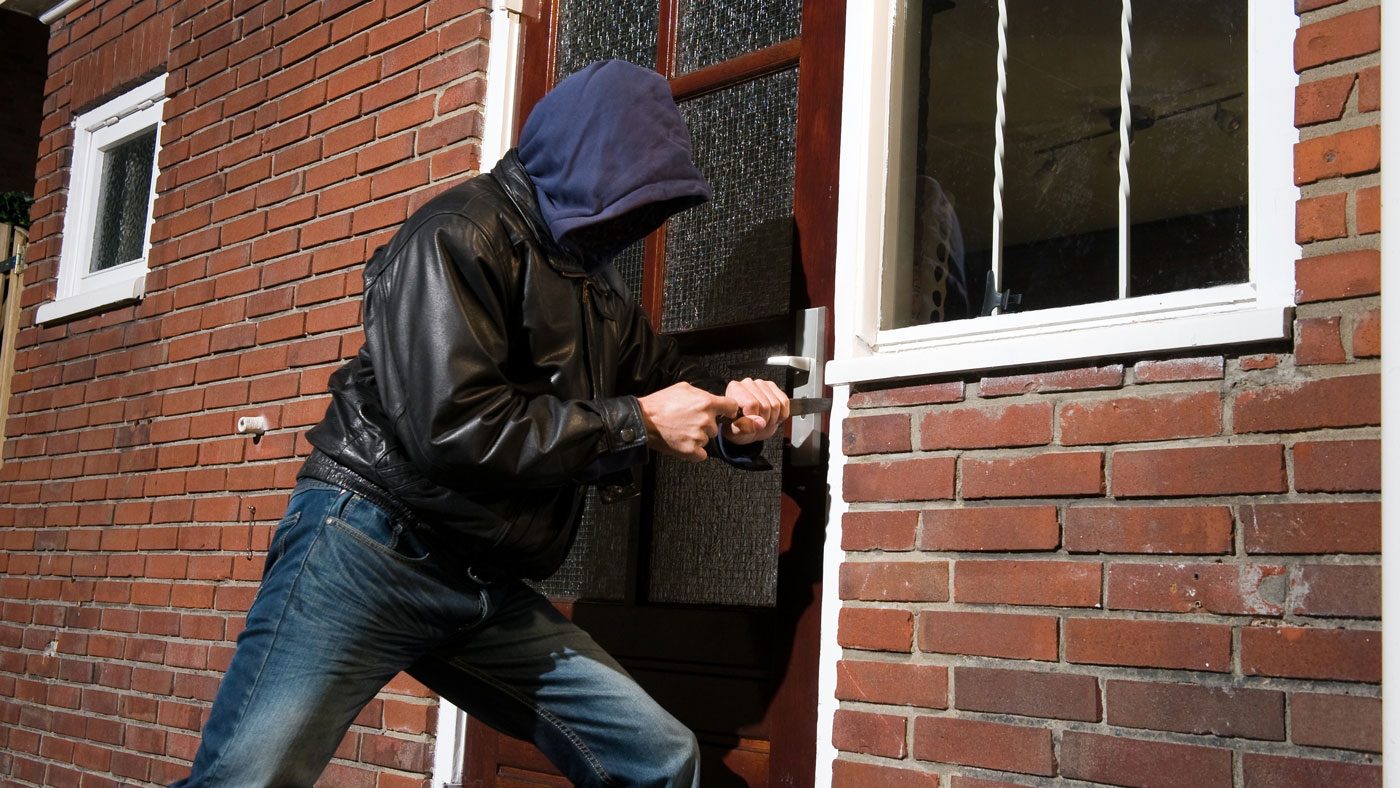
The front door is the most common entry point for forced entry. It’s visible. It’s familiar. It often has hidden weaknesses. Burglars know this. They take advantage of it.
Understanding why the front door gets targeted is the first step to stopping it.
Why the Front Door Is the Primary Target
Burglars want speed. They want silence. They want predictable access.
The front door offers all three:
- It’s used every day
- It shows signs of wear
- It often relies on appearance instead of strength
Many front doors look solid but aren’t built for force. Decorative glass. Lightweight materials. Basic locks. Weak frames.
From the outside, burglars can spot these weaknesses quickly.
They don’t guess. They assess.
Common Front Door Weak Points
Most break-ins happen because of one or more failures at the front door.
Weak door construction
Many front doors are made from wood or fiberglass. These materials look good but split under force. Even steel doors can fail if the frame is weak.
Basic locks
A single deadbolt doesn’t stop prying or kicking. Cheap hardware bends or breaks fast.
Glass panels
Glass near or within the door allows quick access. Break the glass. Reach the lock. Entry achieved.
Unreinforced frames
The strongest lock means nothing if the frame gives way. Many frames are attached with short screws and soft materials.
Traditional screen doors
Screen doors create a false sense of security. They fail almost instantly under force.
Burglars look for the weakest combination. The front door often provides it.
Why Front Doors Fail Even When Locked
Many homeowners lock their doors and assume they’re safe.
Locked doesn’t mean secure.
Most residential locks are designed for privacy, not defense. They slow entry but don’t prevent it. A forced entry can happen in seconds:
- Kicks target the lock side of the door
- Pry bars attack hinges and frames
- Glass breaks eliminate the lock entirely
Noise matters less than people think. Most break-ins happen during the day. Burglars rely on speed and confidence, not silence.
The False Comfort of Being Home
Another dangerous assumption is this: If I’m home, no one will try.
That’s not true.
Many break-ins occur while homeowners are inside. Open doors. Screen doors. Daytime routines. These conditions lower resistance.
An unlocked or lightly protected front door creates opportunity.
Burglars don’t always want confrontation. They want quick access. They want to grab and go. They leave fast if challenged.
This is why front door security matters even when you’re home.
How to Stop Break-Ins at the Front Door
Stopping front door break-ins requires layered protection. One fix isn’t enough.
Start with the door itself:
Choose strong door construction
Steel or reinforced doors resist splitting and impact. Avoid hollow cores and decorative weaknesses.
Reinforce the frame
The frame must hold under force. Long screws. Solid materials. Proper anchoring.
Upgrade locking systems
Multi-point locking systems spread force across the door. They resist prying and kicking better than single locks.
Protect glass areas
Glass should never be the easy access point. Reinforced doors and protective barriers matter.
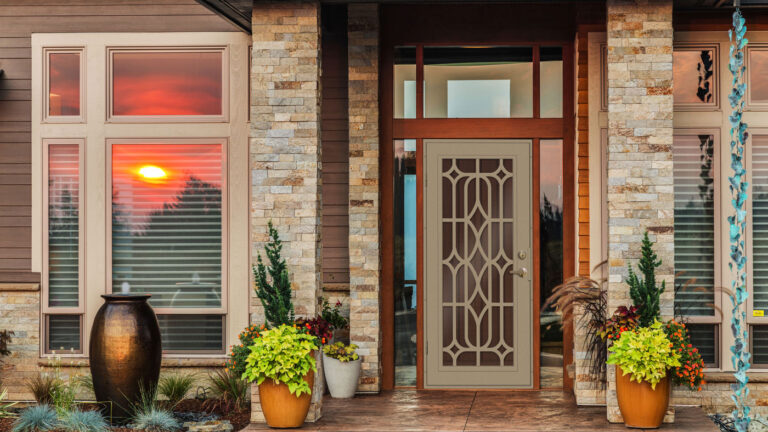
Add a security screen door
This is one of the most effective upgrades.
Why Security Screen Doors Change the Equation
A security screen door creates a physical barrier before the main door.
This matters:
- Even if the main door fails, the security door remains locked
- Prying becomes harder
- Kicking becomes less effective
- Entry takes longer and draws attention
Security screen doors are designed to resist real attacks—impact, prying, and pulling forces.
They also work when the main door is open.
This removes a major vulnerability.
You can allow airflow without leaving your home exposed. You can see outside while staying protected.
Deterrence Is a Real Advantage
Burglars make fast decisions.
When they see a reinforced security door, many move on.
- Visible strength matters
- Time matters
- Risk matters
Security screen doors increase all three from the burglar’s perspective.
This is often enough to prevent an attempt entirely.
Why Traditional Screen Doors Don’t Help
Many homes rely on standard screen doors for front entry.
These doors fail almost instantly:
- Frames bend
- Screens tear
- Locks break
They offer airflow but zero defense.
In fact, they can increase risk by encouraging homeowners to leave doors open.
Security screen doors solve this problem without sacrificing comfort.
Daily Habits That Reduce Risk
Security isn’t only about hardware. Behavior matters:
✓ Lock doors even during the day
✓ Avoid leaving doors open without protection
✓ Maintain door hardware and frames
✓ Address loose hinges and worn locks
When strong hardware supports smart habits, risk drops fast.
The Real Goal of Front Door Security
The goal isn’t fear.
The goal is control.
Control over:
- Access to your home
- Your family’s comfort
- Your home environment
Most break-ins start at the front door because that’s where homes are weakest.
Strengthen that point, and you change the outcome.
A secure front door stops problems before they start. Take control of your home’s most vulnerable entry point today.