
Why Most Break-Ins Start at the Front Door (and How to Stop Them)
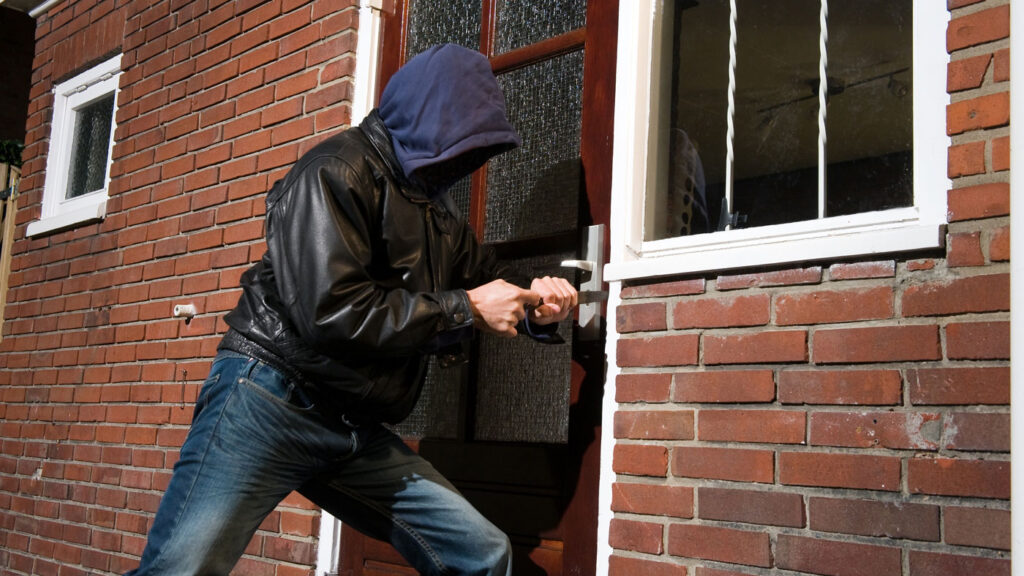
The entry point you trust most may be your biggest vulnerability Most homeowners think break-ins happen through windows or back doors. That belief is wrong more often than people realize. The front door is the most common entry point for forced entry. It’s visible. It’s familiar. It often has hidden weaknesses. Burglars know this. They take advantage of it. Understanding why the front door gets targeted is the first step to stopping it. Why the Front Door Is the Primary Target Burglars want speed. They want silence. They want predictable access. The front door offers all three: It’s used every day It shows signs of wear It often relies on appearance instead of strength Many front doors look solid but aren’t built for force. Decorative glass. Lightweight materials. Basic locks. Weak frames. From the outside, burglars can spot these weaknesses quickly. They don’t guess. They assess. Common Front Door Weak Points Most break-ins happen because of one or more failures at the front door. Weak door construction Many front doors are made from wood or fiberglass. These materials look good but split under force. Even steel doors can fail if the frame is weak. Basic locks A single deadbolt doesn’t stop prying or kicking. Cheap hardware bends or breaks fast. Glass panels Glass near or within the door allows quick access. Break the glass. Reach the lock. Entry achieved. Unreinforced frames The strongest lock means nothing if the frame gives way. Many frames are attached with short screws and soft materials. Traditional screen doors Screen doors create a false sense of security. They fail almost instantly under force. Burglars look for the weakest combination. The front door often provides it. Why Front Doors Fail Even When Locked Many homeowners lock their doors and assume they’re safe. Locked doesn’t mean secure. Most residential locks are designed for privacy, not defense. They slow entry but don’t prevent it. A forced entry can happen in seconds: Kicks target the lock side of the door Pry bars attack hinges and frames Glass breaks eliminate the lock entirely Noise matters less than people think. Most break-ins happen during the day. Burglars rely on speed and confidence, not silence. The False Comfort of Being Home Another dangerous assumption is this: If I’m home, no one will try. That’s not true. Many break-ins occur while homeowners are inside. Open doors. Screen doors. Daytime routines. These conditions lower resistance. An unlocked or lightly protected front door creates opportunity. Burglars don’t always want confrontation. They want quick access. They want to grab and go. They leave fast if challenged. This is why front door security matters even when you’re home. How to Stop Break-Ins at the Front Door Stopping front door break-ins requires layered protection. One fix isn’t enough. Start with the door itself: Choose strong door construction Steel or reinforced doors resist splitting and impact. Avoid hollow cores and decorative weaknesses. Reinforce the frame The frame must hold under force. Long screws. Solid materials. Proper anchoring. Upgrade locking systems Multi-point locking systems spread force across the door. They resist prying and kicking better than single locks. Protect glass areas Glass should never be the easy access point. Reinforced doors and protective barriers matter. Add a security screen door This is one of the most effective upgrades. Why Security Screen Doors Change the Equation A security screen door creates a physical barrier before the main door. This matters: Even if the main door fails, the security door remains locked Prying becomes harder Kicking becomes less effective Entry takes longer and draws attention Security screen doors are designed to resist real attacks—impact, prying, and pulling forces. They also work when the main door is open. This removes a major vulnerability. You can allow airflow without leaving your home exposed. You can see outside while staying protected. Deterrence Is a Real Advantage Burglars make fast decisions. When they see a reinforced security door, many move on. Visible strength matters Time matters Risk matters Security screen doors increase all three from the burglar’s perspective. This is often enough to prevent an attempt entirely. Why Traditional Screen Doors Don’t Help Many homes rely on standard screen doors for front entry. These doors fail almost instantly: Frames bend Screens tear Locks break They offer airflow but zero defense. In fact, they can increase risk by encouraging homeowners to leave doors open. Security screen doors solve this problem without sacrificing comfort. Daily Habits That Reduce Risk Security isn’t only about hardware. Behavior matters: ✓ Lock doors even during the day✓ Avoid leaving doors open without protection✓ Maintain door hardware and frames✓ Address loose hinges and worn locks When strong hardware supports smart habits, risk drops fast. The Real Goal of Front Door Security The goal isn’t fear. The goal is control. Control over: Access to your home Your family’s comfort Your home environment Most break-ins start at the front door because that’s where homes are weakest. Strengthen that point, and you change the outcome. A secure front door stops problems before they start. Take control of your home’s most vulnerable entry point today.
Security Screen Doors for Warm Climates. Comfort, Airflow, and Protection Combined
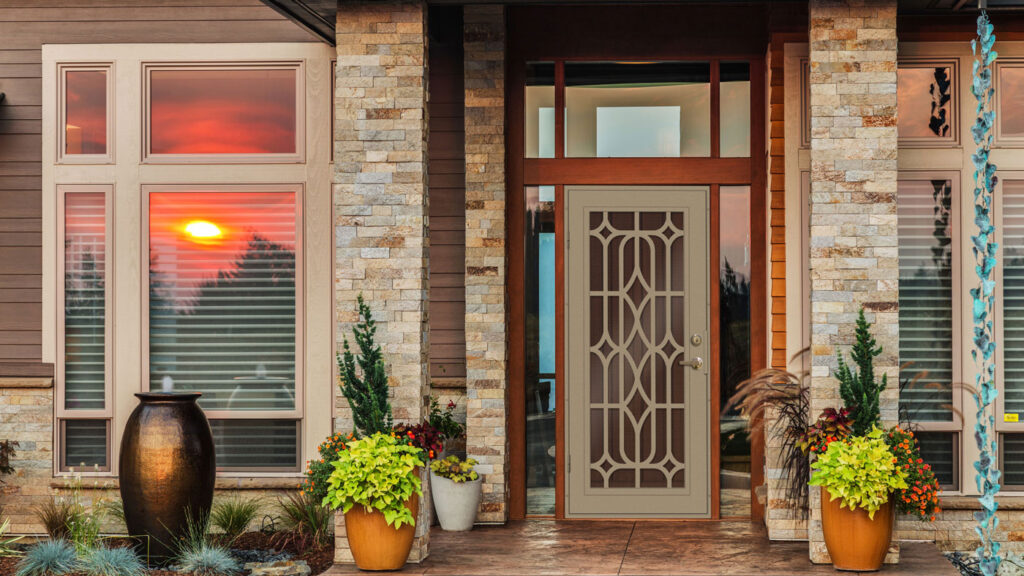
Keep your home secure without sacrificing the breeze If you live in a warm climate, fresh air is part of daily life. You open your door in the morning. You let the breeze move through the house. You try to reduce air conditioning use. It feels natural. Then reality sets in. An open door can also mean exposure—to break-ins, unwanted access, and risk. This is a problem many homeowners quietly accept. Comfort and airflow feel incompatible with real security. Security screen doors exist because that tradeoff shouldn’t exist. Why Warm Climates Create a Unique Security Challenge Homes in warm climates rely more on ventilation. Doors stay open longer. Windows are used more often. Outdoor and indoor spaces blend together. This creates patterns that burglars recognize: Open front doors during the day Unlocked doors while people are home Reliance on basic screen doors for protection Traditional screen doors were never built for this environment. They’re designed to keep insects out, not people out. In warmer regions, that weakness gets exposed more often. The result? A false sense of safety. The Limits of Traditional Screen Doors A standard screen door looks like a barrier, but it offers little resistance: Lightweight aluminum frames bend easily Mesh screens tear with minimal force Simple latches can be forced open quickly In warm climates, homeowners use these doors constantly. Over time, wear makes them even weaker. Hinges loosen. Frames warp. Screens stretch. From a security standpoint, they become an invitation. Burglars don’t need to break glass or force a main door. They take advantage of the weakest access point. In many homes, that point is the screen door. What Makes Security Screen Doors Different A security screen door isn’t a reinforced screen door—it’s a true security product designed to allow airflow. These doors are engineered with purpose: Heavy-duty construction — Steel or reinforced aluminum frames provide structure High-strength mesh — Steel mesh or solid metal panels resist cutting and impact Advanced locking — Multi-point locking systems secure the door at multiple locations Tamper-resistant hardware — Hinges prevent prying and removal The goal is simple: allow air to flow while blocking forced entry. You can leave your main door open. The security door stays locked. Air moves freely. Risk stays outside. Why Airflow Still Matters In warm climates, airflow isn’t a luxury. It affects comfort, energy use, and lifestyle: Natural ventilation reduces reliance on air conditioning Fresh air improves indoor comfort Open doors create a connection between indoor and outdoor spaces Security screen doors support this lifestyle instead of restricting it. You don’t have to seal your home to feel safe. This is why they’re especially popular in desert regions, coastal areas, and southern states where doors stay open year-round. How Security Screen Doors Improve Daily Comfort Homeowners often notice changes immediately: They open their doors more often without hesitation They feel comfortable leaving doors open during the day They enjoy airflow without constant worry That peace of mind changes behavior. Security becomes part of everyday living, not something you think about only at night. A home that feels secure also feels more livable. Protection Without Blocking Visibility Another advantage matters in warm climates: visibility. Security screen doors allow you to see outside while staying protected. This is important for front doors, patios, and entryways that face outdoor living areas. You can: See visitors before opening the door Monitor activity outside Maintain natural light inside the home This visibility adds another layer of security. Awareness is part of protection. Designed for Harsh Environments Warm climates often bring other challenges—heat, humidity, and salt air near coastal areas. Quality security screen doors are designed to handle these conditions. Corrosion-resistant coatings and durable materials extend the life of the door. This matters because a security product must perform long-term. A door that rusts or degrades loses both strength and appearance. Durability isn’t optional in these environments. Style That Fits Your Home Many homeowners worry that security means sacrificing appearance. That’s no longer true. Modern security screen doors offer clean designs and decorative options. They complement contemporary and traditional homes alike: Laser-cut patterns add visual interest Slim profiles maintain an open feel Color options match exterior finishes Instead of detracting from curb appeal, these doors often enhance it. Where Security Screen Doors Make the Most Sense Security screen doors provide the most value in warm climate scenarios like these: Front doors used throughout the day Homes with frequent foot traffic Doors with glass panels that need protection Homes that prioritize natural airflow They also work well for homeowners who want strong physical security without relying only on alarms or cameras. What to Look For When Choosing One Not all security screen doors deliver the same level of protection. Before buying, focus on fundamentals: ✓ Look for proven performance testing✓ Choose strong frame construction✓ Verify the quality of locks and hardware✓ Ensure proper installation options✓ Confirm corrosion resistance for your environment A security door is a system. Every component matters. The Real Value for Warm Climate Homes The biggest benefit is balance: You don’t have to choose between comfort and protection You don’t have to keep your home sealed to feel safe You don’t have to accept weak points in your security Security screen doors bring airflow, comfort, and protection together in one solution. In warm climates, that combination isn’t just convenient—it’s essential. Ready to upgrade your home’s security without sacrificing airflow? Explore security screen door options that fit your climate and lifestyle.
Want Fresh Air Without Risk? How Security Screen Doors Solve a Common Home Safety Problem
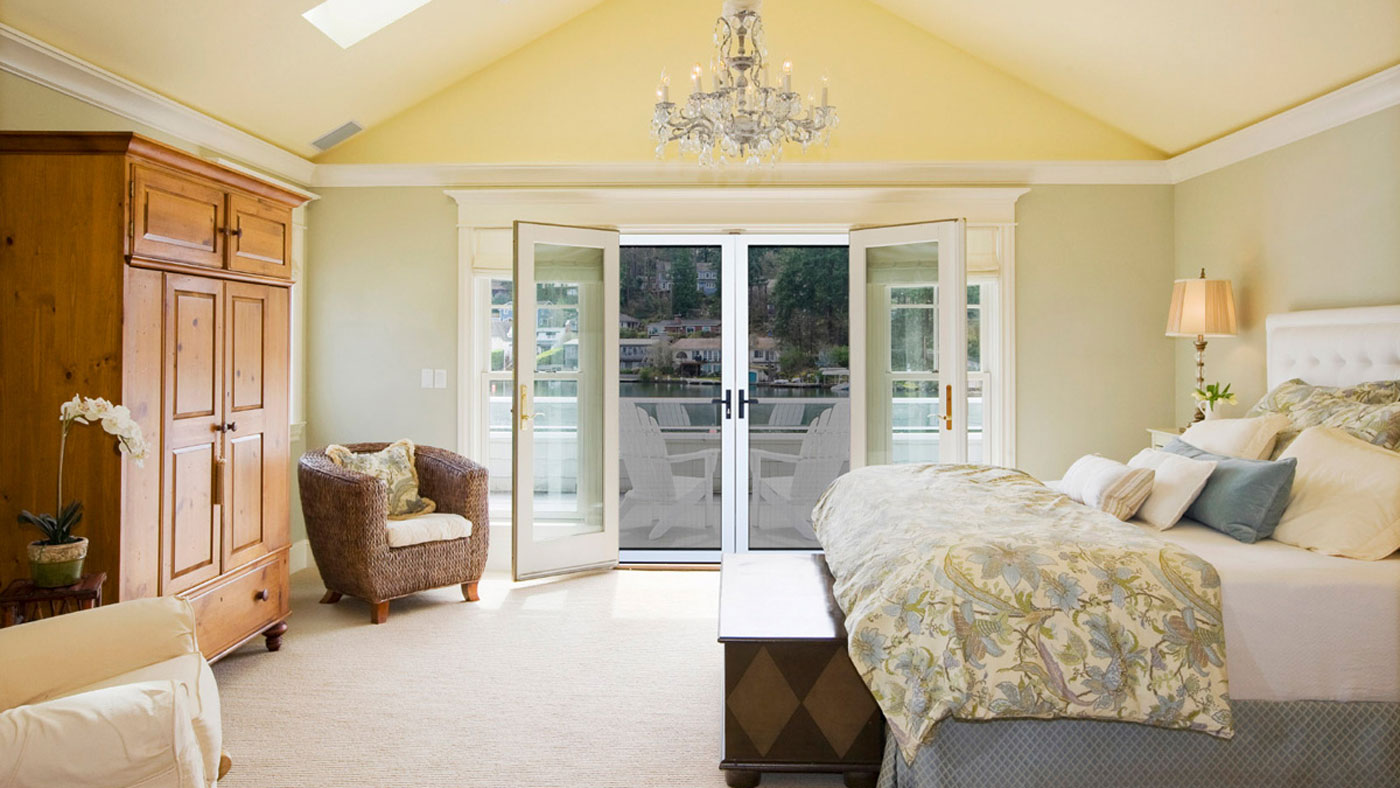
On a warm day, you want your front door open. You want airflow. You want light. You want your home to breathe. Then the doubt hits. Is my home still safe with the door open? That tension is real. Fresh air and home security often feel like opposing goals. Many homeowners believe they must choose one or the other. That belief creates a common safety gap. It also creates opportunity for break ins. This is where security screen doors change the equation. The Problem With Traditional Screen Doors A standard screen door was never designed for security. It was designed for bugs. Thin aluminum frames. Lightweight mesh. Basic latches. They provide airflow but almost no resistance. From a security standpoint, they fail fast. Frames bend easily Screens tear with minimal force Locks offer little deterrence Hinges can be pried or kicked Most forced entries do not look like dramatic movie scenes. They are quick. They are quiet. They target weak points. A traditional screen door is one of the weakest points on most homes. Burglars know this. They look for easy access. An open front door behind a flimsy screen is an invitation. The Fresh Air Dilemma Homeowners face a daily tradeoff. Open the door and enjoy airflow. Close the door and feel secure. This is especially frustrating in mild climates. You want ventilation without turning your home into a target. You want natural light without anxiety. Security screen doors were created to solve this exact problem. What a Security Screen Door Actually Is A security screen door is not a stronger version of a screen door. It is a protective door system that allows airflow. Key differences include: Heavy gauge steel or reinforced aluminum frames High tensile woven steel mesh or solid metal designs Multi point locking systems Tamper resistant hinges and hardware Reinforced mounting into the door frame These doors are engineered to resist impact, prying, and forced entry. At the same time, they allow air and light to pass through. You get ventilation without vulnerability. How Security Screen Doors Reduce Risk Security is about deterrence as much as resistance. A visible security screen door sends a message. This home is harder to breach. Move on. Here is how they reduce real risk. They stop opportunistic break ins. Most burglars want speed and silence. Security screen doors slow them down and draw attention. They protect your main door. Even if your primary door is wood or fiberglass, the security door acts as the first line of defense. They allow safe airflow. You can leave your main door open while the security door remains locked. They add day and night peace of mind. Ventilation no longer means exposure. This is not theoretical protection. Independent testing standards like AAMA 1901 simulate impacts, prying, and pulling forces that mimic real world attacks. Why Homeowners Feel More Comfortable Security screen doors change behavior. Homeowners open their doors more often. They use natural ventilation instead of constant air conditioning. They feel comfortable leaving the door open while home. That sense of comfort matters. A secure home should not feel closed off. It should feel breathable and protected at the same time. Design Without Sacrificing Curb Appeal Many homeowners worry about aesthetics. They picture bulky bars or industrial looks. Modern security screen doors are different. Decorative laser cut steel designs Clean architectural lines Color options that match the home Low profile frames You do not sacrifice style for safety. You add both. This is especially important for front entrances where first impressions matter. A well designed security screen door enhances curb appeal while adding protection. Where Security Screen Doors Make the Most Sense These doors provide value across many scenarios. Front doors that stay open during the day Homes in warm or mild climates Entry doors with glass panels Homes with pets or children Homeowners who value airflow and light They are also popular in neighborhoods where homeowners want added protection without installing alarms or cameras everywhere. What to Look For Before You Buy Not all security screen doors are equal. Look for doors that offer: Tested performance standards Strong frame construction Quality locking systems Professional installation compatibility Corrosion resistance for long term durability A security door is only as strong as its weakest component. Materials, engineering, and installation all matter. The Real Benefit The biggest benefit is not just security. It is freedom. Freedom to open your door. Freedom to let your home breathe. Freedom to enjoy fresh air without second guessing your safety. Security screen doors solve a problem homeowners have accepted for decades. They remove the tradeoff between comfort and protection. Fresh air should never come with risk.